Table of contents
- What Are Biodegradable Dog Poop Bags and Compostable Dog Poop Bags
- Core Differences Between Biodegradable Dog Poop Bags and Plastic Bags
- Environmental Impact Analysis: Short-Term Convenience vs Long-Term Cost
- Actual Use Performance: Are Compostable Dog Poop Bags Really “Easy to Use”?
- Certification and Standards: How Buyers Identify Genuine Eco-Friendly Products
- Procurement Guide: How to Choose a Reliable Biodegradable Dog Poop Bags Factory
What Are Biodegradable Dog Poop Bags and Compostable Dog Poop Bags
Before discussing sustainable dog poop bags, it is necessary to clarify the often-interchanged terms “biodegradable” and “compostable.” Although both emphasize environmental friendliness, they differ significantly in material composition, degradation conditions, and ultimate environmental impact.
- Basic Definition of Biodegradable Dog Poop Bags: Biodegradable dog poop bags refer to bag products that can be decomposed by microorganisms into water, carbon dioxide, and biomass under specific environmental conditions. However, it is important to note that “biodegradable” does not equal “compostable,” and some products may still leave microplastics during decomposition, with environmental friendliness depending on material systems and degradation conditions.
- Core Characteristics of Compostable Dog Poop Bags: Compostable dog poop bags are usually based on PLA, PBAT, or their modified formulations and can fully decompose under industrial composting conditions within a specified timeframe without leaving harmful residues in soil or compost systems. These products require stricter material ratios, thickness control, and processing techniques and are more likely to pass mainstream international compostable standards.
- Application Value of PLA+PBAT Modified Systems: In practical commercial applications, PLA+PBAT modified materials are widely used in high-quality compostable dog poop bags because they balance toughness, sealability, and compostable performance. This material system meets industrial composting requirements while maintaining strength and reliability in daily use, making it a mature and mainstream environmental solution in the current market.
Core Differences Between Biodegradable Dog Poop Bags and Plastic Bags
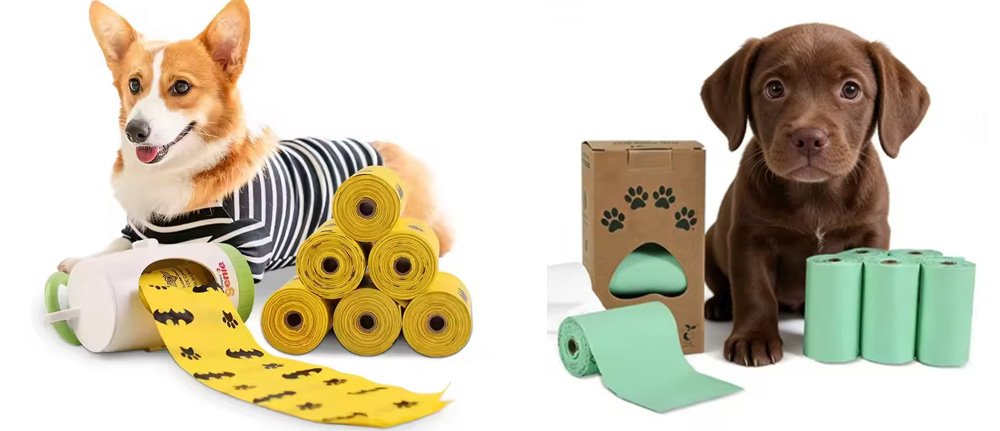
| Comparison Dimension | Compostable / Biodegradable Dog Poop Bags | Traditional Plastic Dog Poop Bags |
|---|---|---|
| Main Material | PLA + PBAT Modified System | Polyethylene (PE) and other petroleum-based plastics |
| Degradation Condition | Degradable under industrial composting | Almost non-degradable |
| Degradation Period | Fully decomposed within months (standard conditions) | Tens to hundreds of years |
| Final Residue | CO2, water, and biomass | Microplastics |
| Environmental Risk | Relatively controlled | Long-term accumulation |
| Compliance Trend | Aligns with mainstream environmental regulations | Faces restriction risks |
| Procurement Cost | Slightly higher | Lower |
Environmental Impact Analysis: Short-Term Convenience vs Long-Term Cost
- Short-Term Convenience
Traditional plastic dog poop bags have obvious advantages in strength, sealability, and price, which explains their widespread long-term use. However, this convenience mainly applies to immediate use. - Long-Term Environmental Cost
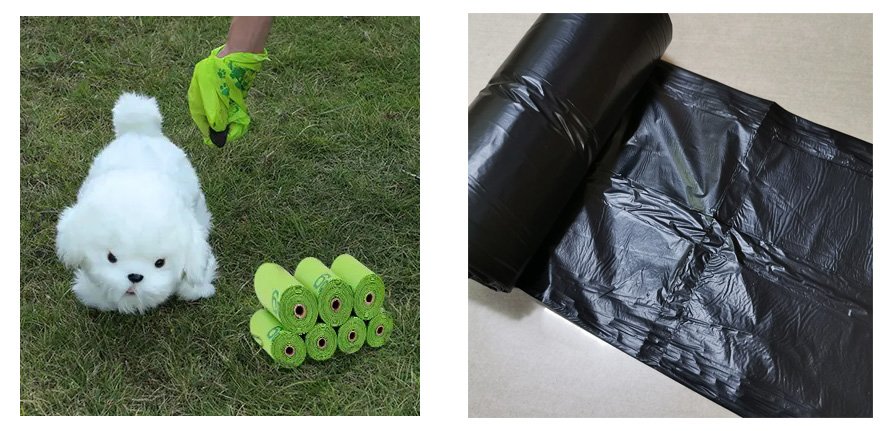
Plastic bags are difficult to degrade in the natural environment and ultimately persist as microplastics in soil and water, continuously impacting ecosystems. In contrast, compostable dog poop bags can be broken down into environmentally safer substances under industrial composting systems. - Regulatory and Market Trends
With increasing regulations on single-use plastics in the EU, North America, and other regions, compliance risks for traditional plastic bags continue to rise, prompting more brands to switch to biodegradable dog poop bags wholesale solutions.
Actual Use Performance: Are Compostable Dog Poop Bags Really “Easy to Use”?
- Strength and Tear Resistance: Although compostable dog poop bags use PLA+PBAT materials, their tensile strength, puncture resistance, and load-bearing capacity can meet daily use requirements under proper formulation and process control. Standard thicknesses (15–20 microns) are unlikely to tear during picking up and carrying.
- Thickness Design and Usage Balance: Thickness directly affects the user experience. Too thin causes tearing, while too thick increases costs. Professional manufacturers often provide multiple options such as standard or reinforced versions to suit different dog breeds and usage scenarios.
- Odor Containment and Sealability: Compared with high-density plastic bags, compostable bags have slightly lower odor containment initially, but this gap has been reduced through film structure optimization and material ratio adjustment, sufficiently meeting daily short-term carrying needs.
- Closure Method and Convenience: Common hand-handle or double-layer designs help enhance sealability and operational comfort, which is a key factor for users to judge whether the bag is “easy to use.”
- Adaptability to Special Environments: In rain, high temperatures, or extended outdoor activities, well-formulated compostable dog poop bags perform stably. Although slightly inferior to plastic bags under extreme conditions, this gap is gradually narrowing.
- User Feedback: Feedback from brands and distributors shows that properly designed compostable dog poop bags have achieved high acceptance in actual use, and the experience difference compared with traditional plastic bags is gradually diminishing.
Certification and Standards: How Buyers Identify Genuine Eco-Friendly Products
In the procurement of biodegradable bag products, certifications are critical for determining authenticity and compliance, not optional.
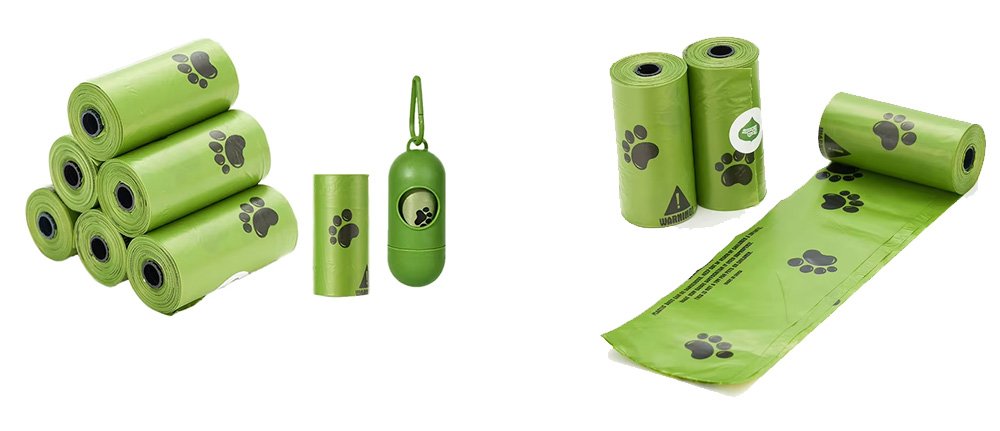
Mainstream International Compostable Standards: EN 13432, ASTM D6400, and ISO 17088 are widely used standards for compostable bag evaluation, specifying requirements for degradation speed, residue safety, and composting system compatibility.
Common Certification Misunderstandings: Some products only have their raw materials tested, while the finished bags are not certified as a whole. Bag-making processes and additives also affect final degradation, posing compliance risks.
Key Verification Points for Buyers: Buyers should ensure that certifications correspond to specific bag types, thicknesses, and material systems, not just “having a certificate.” Traceable test documents are especially important.
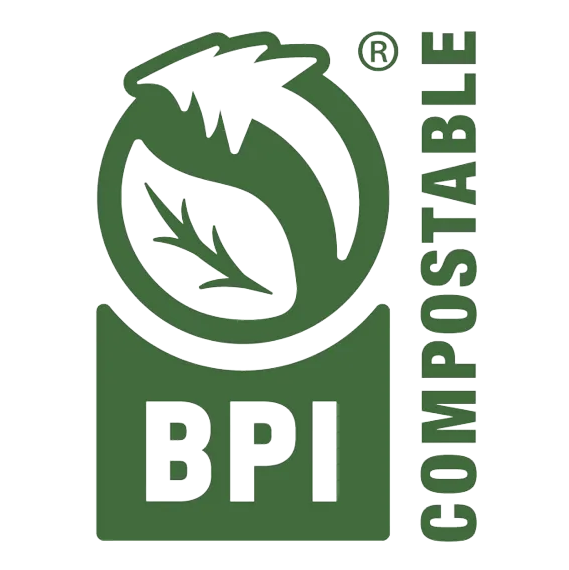
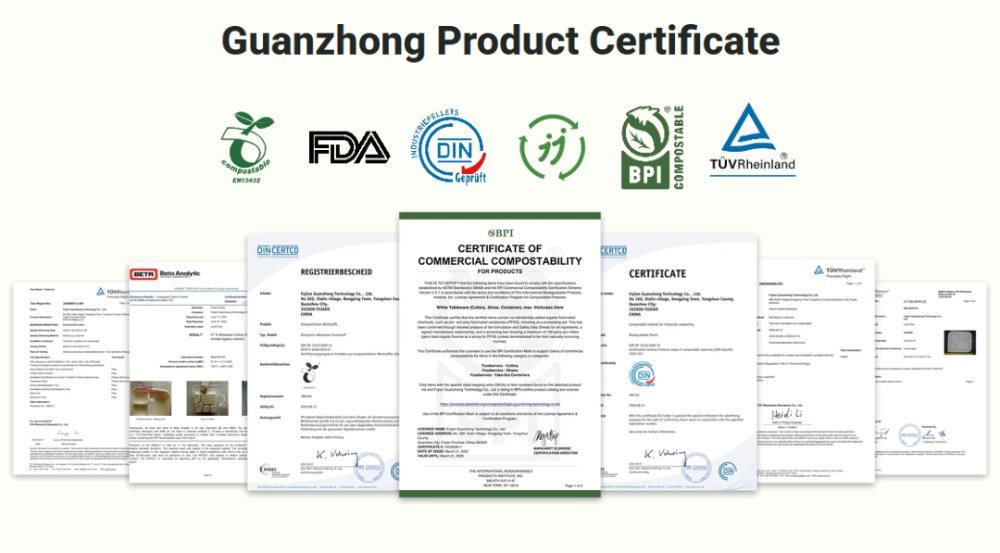
Guanzhong’s Compliance under International Standards: Guanzhong’s bag products have completed ASTM D6400 and DIN EN 13432 biodegradation tests under industrial composting conditions, passed ASTM D6866 biobased carbon content testing, and obtained BPI industrial composting certification and DIN industrial composting certifications, providing compliance support for different markets. Working with a biodegradable bag factory like Guanzhong ensures traceable and verified eco-compliance.
Procurement Guide: How to Choose a Reliable Biodegradable Dog Poop Bags Factory
For brand owners, wholesalers, and channel buyers, choosing the right biodegradable dog poop bags wholesale factory is not just a price decision. It is a systematic judgment involving material compliance, product performance, long-term supply stability, and regulatory risk management.
Prioritize evaluating the material system rather than a single “eco-label”
A reliable factory usually clearly states the material structure used in the bags, such as whether it is based on a PLA+PBAT modified system and whether the formula can be adjusted according to different market requirements. Compared to simply labeling as “biodegradable,” transparency of material information better reflects the professionalism of the factory.
Focus on bag-making process and its impact on performance
Film blowing uniformity, thickness control, and edge sealing quality directly determine the strength and reliability of dog poop bags in actual use. Factories with mature bag-making experience can often ensure compostable properties while also maintaining tensile and tear resistance, reducing the risk of bag breakage.
Certification capability reflects long-term compliance
Factories that continuously comply with ASTM, EN, and other international standards for testing usually have higher maturity in raw material management and production stability. Such factories are more suitable for export or long-term brand cooperation, reducing adjustment costs caused by regulatory changes.
Production capacity and delivery capability are equally critical
Biodegradable bags are high-frequency consumables, making stable supply especially important. Buyers should understand the factory’s actual production capacity, delivery control, and ability to respond to order fluctuations, not just focus on single sample performance.
Whether customization and technical communication are supported
For buyers with brand requirements, bag type, size, thickness, color, and packaging often need customization. Factories that can provide technical communication, sample testing, and parameter adjustment support are more conducive to establishing long-term cooperation.
Reasons to Choose Guanzhong
For buyers looking to establish long-term cooperation, Guanzhong has the following practical foundations in bag product manufacturing:
- Clear production scale and supply capacity: Guanzhong owns an industrial park of nearly 200,000 square meters, with bag-related production workshops covering more than 100,000 square meters, equipped with biodegradable film blowing and bag-making production lines, with an annual capacity of approximately 90,000 tons. This scale helps ensure stable supply for bulk orders and long-term procurement of biodegradable dog poop bags wholesale.
- PLA+PBAT material development experience: Bag products are developed around bio-based and biodegradable composite material systems, using PLA+PBAT modified systems and supported by in-house bio-based masterbatch production lines, which helps maintain compostable performance while ensuring bag strength and consistency.
- Coverage of international certification for bag products: In terms of compliance, Guanzhong’s bag products have passed ASTM D6400, DIN EN 13432 industrial compostable biodegradability tests, completed ASTM D6866 bio-based carbon content tests, and obtained BPI industrial compostable certification as well as DIN industrial compostable certifications, providing support for compliant application in different markets.
- Mature bag-making process and quality control: Relying on multiple biodegradable film blowing and bag-making production lines, the factory can stably control bag thickness, edge sealing quality, and overall consistency, reducing the risk of breakage or performance fluctuations during actual use.
- Support for customization and project cooperation: For brand or wholesale procurement, Guanzhong can provide customization in bag type, size, thickness, and packaging, with relatively clear sample and production cycles, facilitating buyers to advance new product testing and market launch.
| Start Your Customization | WhatsApp: +86 13665956245 | Email: peters@quanzhong-bio.com |
Though a small category, dog poop bags increasingly reflect a brand’s environmental commitment and compliance ability. Compared to traditional plastic bags, compostable dog poop bags offer long-term advantages in environmental impact, regulatory adaptation, and brand value—but only when sourced from manufacturers with proper materials, processes, and certifications.
For buyers, rational decision-making should be based on material systems, actual use performance, certification compliance, and long-term stability of the factory. In the context of ongoing sustainability trends, partnering with a professional, transparent, and scalable biodegradable bag factory like Guanzhong will be a key step toward stable brand development and access to biodegradable dog poop bags wholesale.