Top 10 Reasons to Choose Compostable Plastic Bags
Rapid Degradation Within Months for a Closed-Loop Process
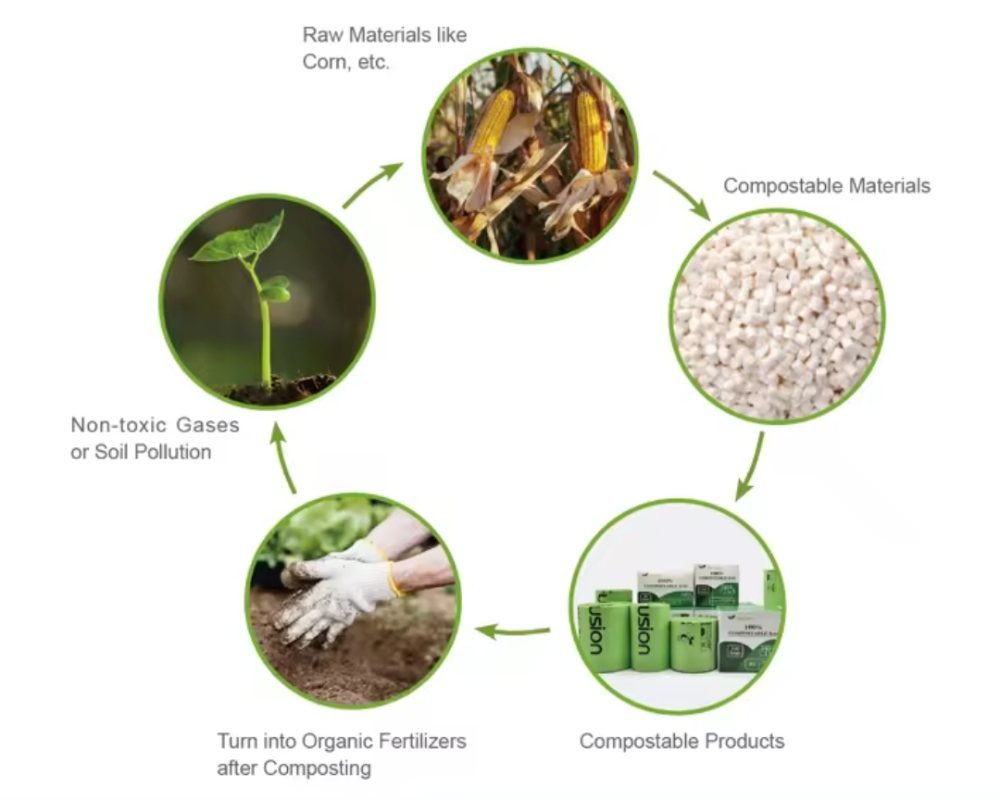
Traditional plastic bags can take hundreds of years to decompose, becoming “millennium waste” that seriously threatens ecosystems. In contrast, certified compostable plastic bags made from PLA+PBAT and other plant-based materials can fully degrade into water, carbon dioxide, and nutrient-rich biomass within months under industrial or home composting conditions, leaving no microplastics or toxic residues. This allows waste to return to nature, achieving a true circular economy. For businesses and individuals, this choice is both environmentally friendly and sustainable, reflecting long-term environmental commitment.
Strict Certification Ensures Safety
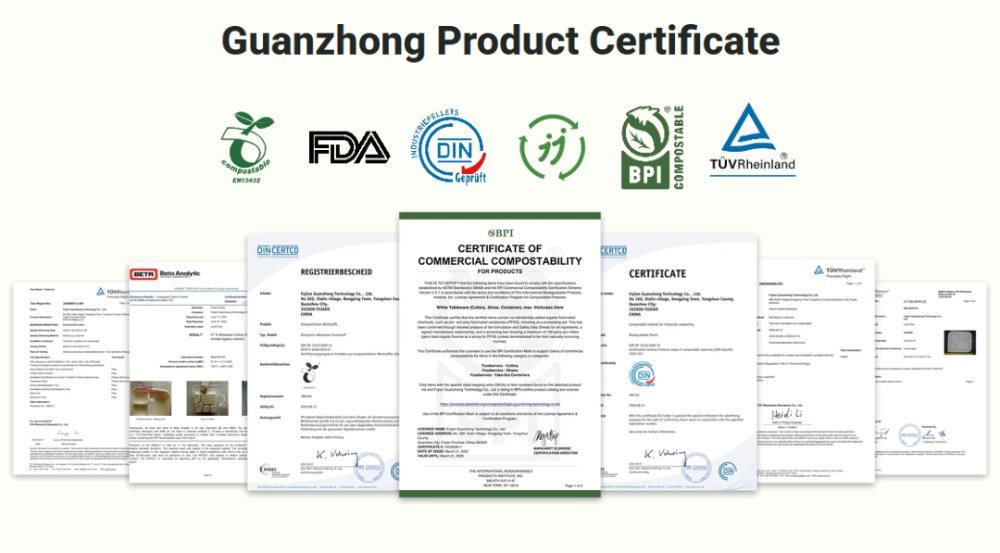
The reliability of compostable plastic bags depends not only on materials but also on international certifications. Standards like ASTM D6400 and EN 13432 define decomposition speed, residue safety, and limits for harmful substances. Choosing a certified compostable bag manufacturer ensures that products are safe for the environment, animals, and human health during use and degradation. Checking certifications is crucial to avoid misleading “green” marketing.
Protecting Wildlife
Plastic pollution severely threatens wildlife: turtles, seabirds, and even terrestrial animals may ingest plastic, causing intestinal blockages, starvation, or death. Compostable plastic bags made from plant-based materials significantly reduce the risk to wildlife even if accidentally released into the environment. Selecting these bags not only promotes environmental protection but also safeguards biodiversity.
Reducing Floating Litter
Lightweight plastic bags often scatter in streets, parks, and rivers due to wind or water flow, affecting aesthetics and blocking drainage. PLA+PBAT compostable bags are denser and more resistant to dispersal, and they degrade within months if they enter the environment, reducing “white pollution.” Cities and communities using these bags can lower maintenance costs while improving public cleanliness.
Preventing Microplastic Pollution
Microplastics have infiltrated air, water, and the food chain, with humans potentially ingesting about 5 grams per week, roughly the weight of a credit card. Compostable bags degrade into water, carbon dioxide, and organic biomass without producing microplastics, helping protect consumers’ health from the source.
Relieving Urban Drainage Pressure
Plastic bags blocking drainage pipes are a common cause of urban flooding. Municipalities spend substantial funds each year to clear blockages and maintain drainage systems. Compostable bags decompose faster than conventional plastics, reducing long-term blockage risks and easing infrastructure pressure, enhancing public safety and urban living quality.
Using Renewable Raw Materials to Reduce Carbon Footprint
Most plastic bags are petroleum-based. High-quality compostable plastic bags use renewable plant resources like corn starch and cassava starch, reducing fossil fuel dependence. Businesses sourcing these materials lower lifecycle carbon emissions and demonstrate commitment to environmental and sustainable strategies, supporting ESG initiatives.
Turning Waste into Resources
In industrial composting facilities, compostable bags and organic waste decompose under optimal temperature, humidity, and microbial conditions, producing nutrient-rich compost for soil improvement. Methane generated during composting can be captured and converted into energy, transforming “waste into treasure.” This reduces landfill pressure and provides renewable resources for agriculture and horticulture.
Trustworthy Certification Over Claims
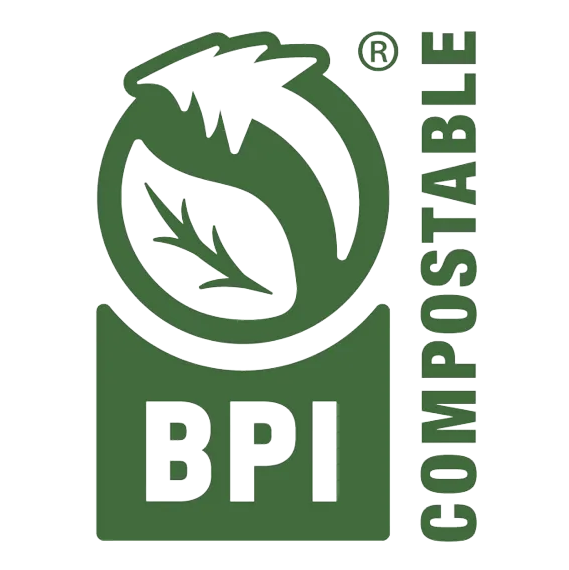
Not all products labeled “biodegradable” or “compostable” truly decompose. Reliable verification comes from third-party certifications such as TÜV OK Compost Industrial or BPI marks. These guarantee safe, complete degradation in industrial composting. Choosing a reputable biodegradable bag manufacturer ensures your environmental investment is effective and avoids misleading marketing.
Showcasing Environmental Values and Brand Image
Compostable bags can be customized with logos, slogans, or colors, turning ordinary packaging into a promotional and educational tool. Businesses and organizations can demonstrate social responsibility and environmental commitment; individuals can influence their community through daily choices. Early adoption of compostable bags generates long-term positive impact on both sustainability and brand reputation.
Unique Features and Working Principle of Compostable Plastic Bags
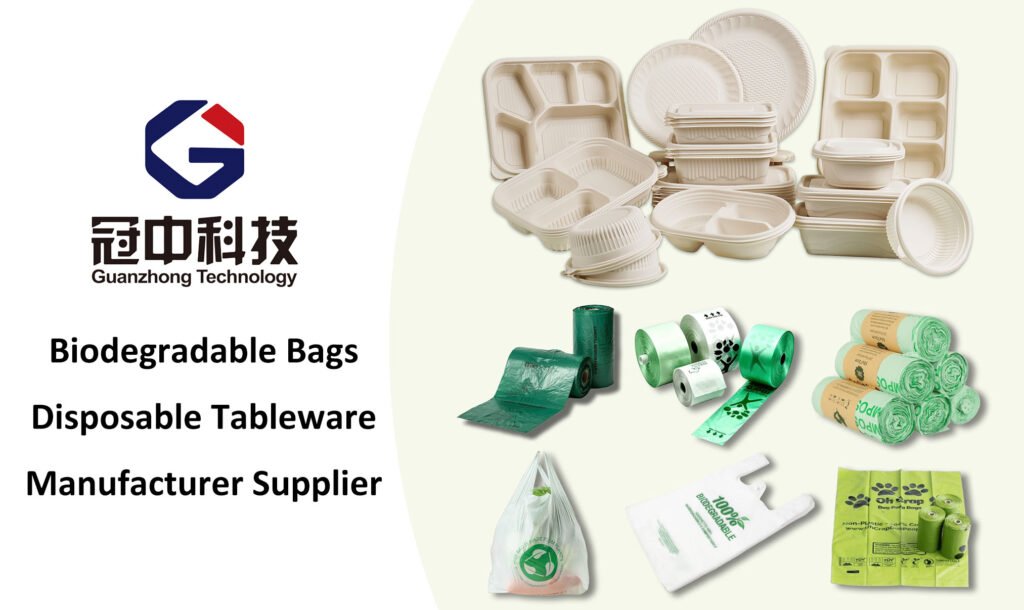
- Material Composition: Compostable plastic bags are mainly made of PLA (polylactic acid) and PBAT (polybutylene adipate terephthalate), derived from renewable plants such as corn and cassava, replacing petroleum-based plastics for eco-friendly and biodegradable solutions.
- Decomposition Mechanism: Under suitable composting conditions (e.g., industrial composting facilities), temperature, humidity, and microbial activity break down PLA+PBAT into water, carbon dioxide, and organic biomass without leaving microplastics. Home composting can also degrade these bags, though at a slower rate.
- Usage and Strength: Compostable bags are designed for both strength and degradability, ensuring they do not easily tear during daily use while decomposing properly after disposal. Proper storage, such as avoiding direct high heat or sharp objects, can extend their useful life.
- Environmental Benefits: Compared to conventional plastic bags, compostable bags degrade faster, reduce waste accumulation and microplastic pollution, and provide reusable resources for organic waste, realizing a circular “waste-to-resource” system.
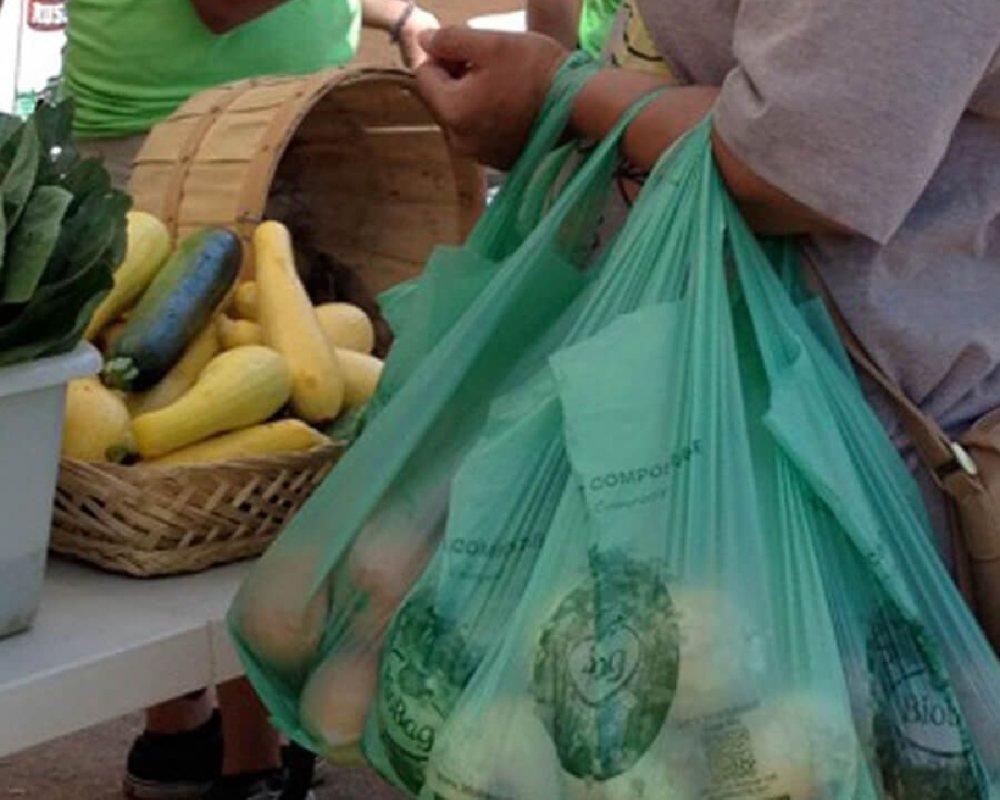
- Application Scenarios: Compostable plastic bags are widely used for food packaging, shopping, retail, and other single-use scenarios. Proper sorting and composting maximize environmental benefits.
Why Choose Guanzhong? Our Advantages
Choosing Guanzhong (Fujian Guanzhong Technology Co., Ltd.) means selecting an experienced, reliable compostable bag manufacturer and bio bag manufacturer.
- Strong Production Capacity: Industrial park nearly 200,000 m², production workshops 100,000 m², equipped with injection molding, thermoforming, film blowing, bag making, and extrusion lines. Monthly output reaches thousands of tons, ensuring stable large-scale supply.
- R&D and Patent Advantages: Advanced R&D center with 10+ patents, focusing on PLA+PBAT material modification and compostable bag design, ensuring excellent performance and reliable environmental safety.
- Authoritative Certification and Quality Assurance: Products pass GB/T, ASTM D6400, DIN EN 13432, and FDA food contact tests, with industrial composting and BPI biodegradation certifications, ensuring safe, reliable degradation performance.
- Flexible Customization: OEM/ODM services available, customizable in size, thickness, color, pattern, and logo. Flexible minimum orders (compostable bags from 1 ton, disposable tableware from 30,000 pieces), short production cycles (mold 7 days, production 7–15 days).
- Environmental and Sustainability Commitment: Materials are bio-based biodegradable composites; products fully degrade in soil, realizing a “from nature, back to nature” cycle.
- Professional Team and Support: 180 skilled production and technical staff provide full-process guidance, pre-sales consultation, and logistics services, ensuring smooth procurement and usage.
Choosing Guanzhong guarantees high-quality compostable products, reliable supply chain, and professional support while contributing to environmental protection and sustainable development.
| Start Your Customization | WhatsApp: +86 13665956245 | Email: peters@quanzhong-bio.com |
Compostable plastic bags offer rapid degradation, safety, reduced microplastics, relief for urban drainage, renewable raw materials, waste-to-resource benefits, and brand promotion value, making them ideal for businesses and individuals pursuing environmental responsibility.
Choosing a reliable biodegradable bag manufacturer and compostable bag manufacturer like Guanzhong ensures high-quality products and real environmental benefits. By using compostable bags responsibly, everyone can contribute to environmental protection and sustainable development, allowing waste to return to nature and completing the eco-friendly cycle of “from nature, back to nature.”