Table of contents
Guanzhong’s Technological Innovation and Global Advantage
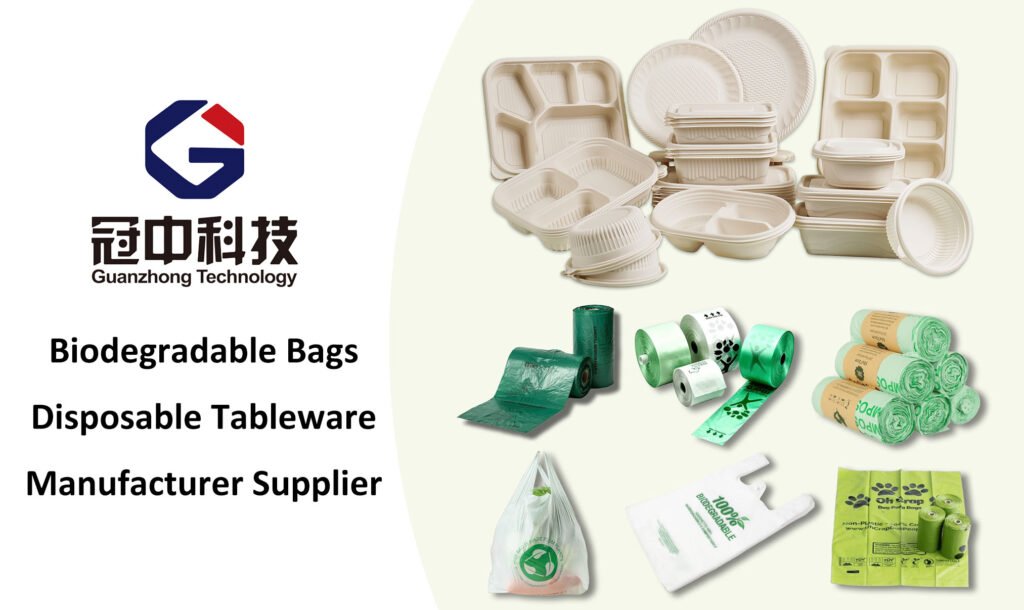
Fujian Guanzhong Technology Co., Ltd. (Guanzhong), located in Yongchun County, Quanzhou, Fujian Province, is a leading Chinese biodegradable plate manufacturer and disposable cutlery manufacturer, specializing in cornstarch tableware and other plant-based disposable tableware.
Core Technology and Production Advantages
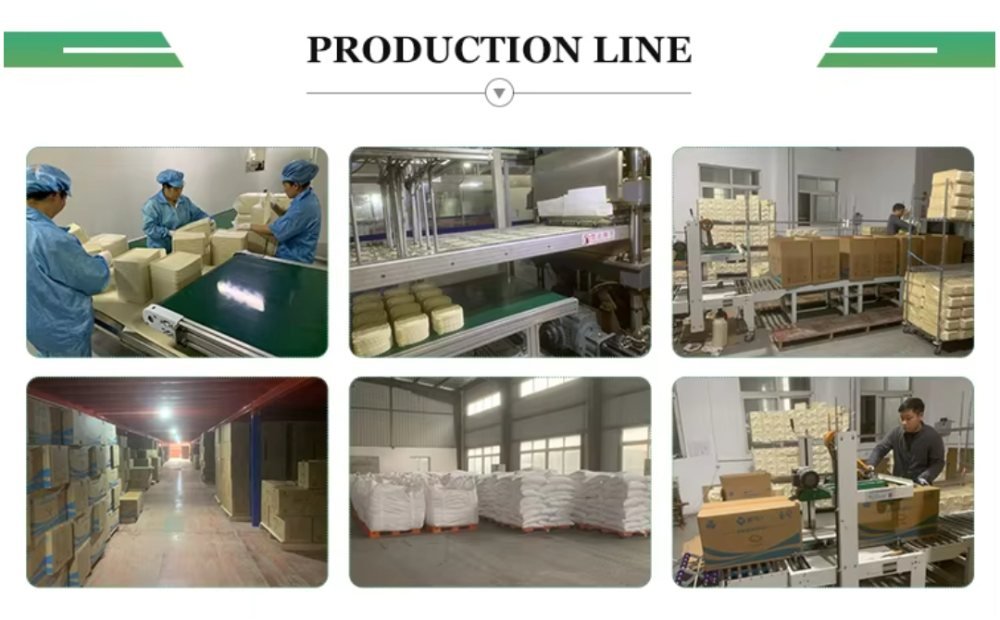
- Injection molding lines: 50 fully automated, monthly output ~2,000 tons
- Film-blowing & bag-making lines: 50 film lines + 25 bag-making lines, monthly output ~1,500 tons
- Modified material and masterbatch lines: 8 lines, monthly output ~2,000 tons
- Thermoforming (vacuum forming) lines: 8 lines, monthly output ~800 tons.
Innovation and Certification System
- Over 10 invention patents and independent R&D center
- Products pass Chinese GB/T 20197, GB/T 19277.1, GB/T 4806.7 food-contact and degradation tests
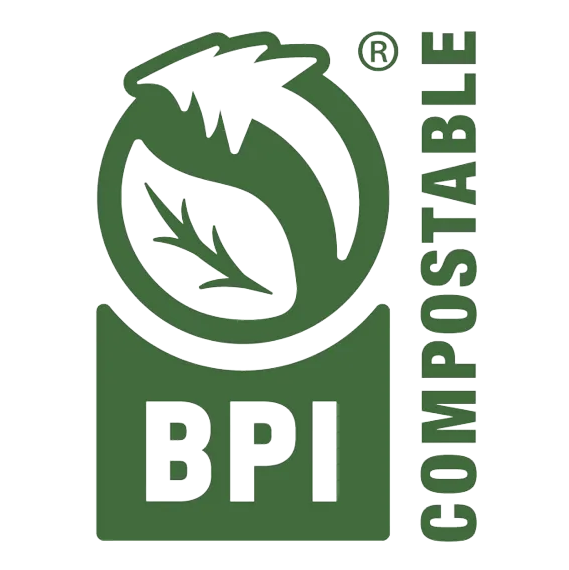
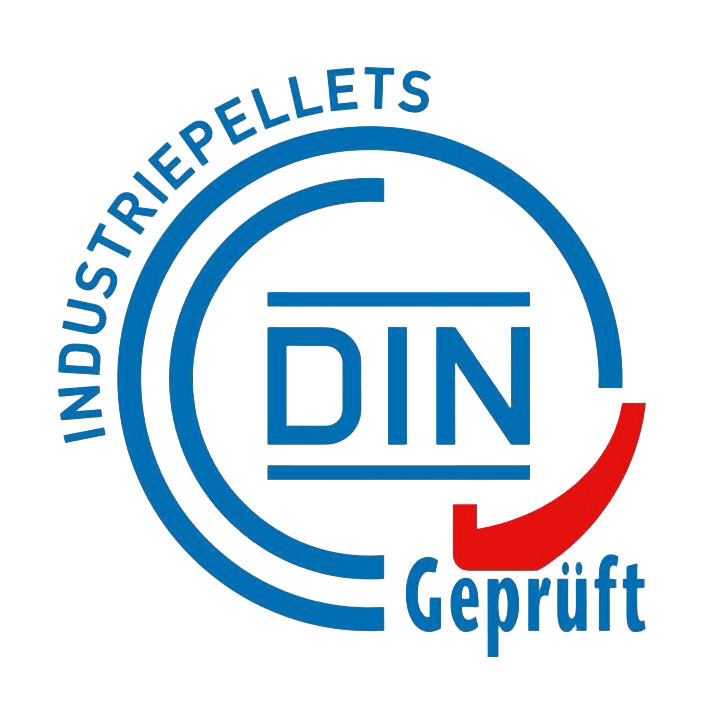
- International certifications: ASTM D6400, DIN EN 13432, BPI, FDA
- Applying for EU EN13432 and Australia AS4736 industrial composting certifications.
Products and Services
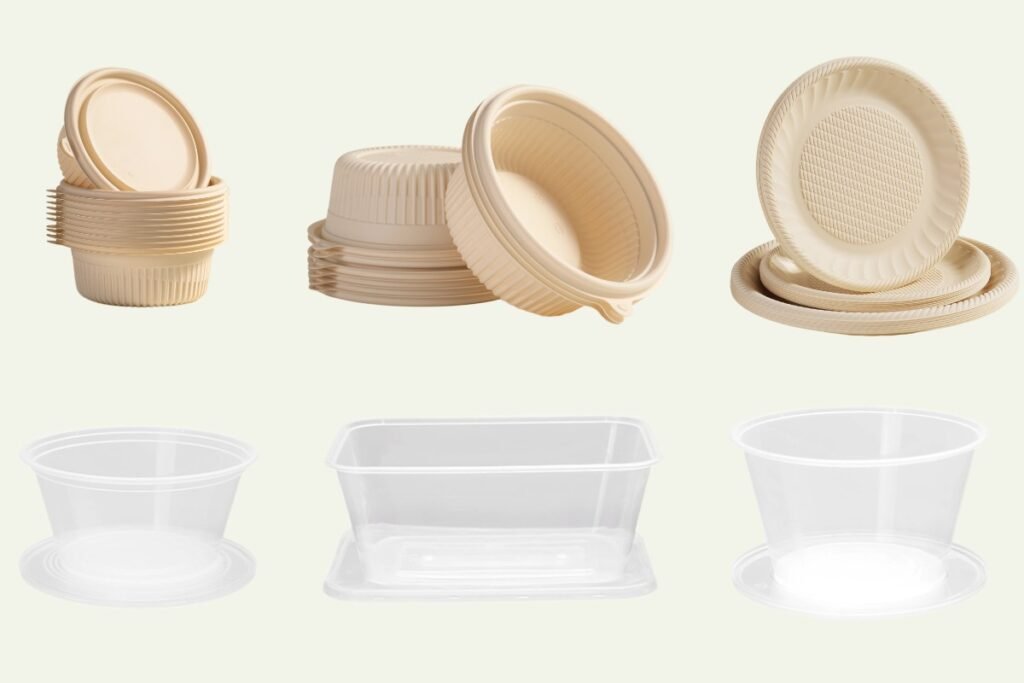
- Main products: biodegradable disposable tableware, plates, straws, etc.
- Customization: logo, size, thickness, color per client requirements
- Minimum order quantity: plates 30,000 pcs / tableware 300,000 pcs
- Mold cycle: 7–45 days, production cycle: 7–15 days
- OEM/ODM services for exclusive design and production for global brands
Brand Philosophy and Global Layout
- Guanzhong adheres to the sustainable development approach of “source material saving, process energy saving, full carbon reduction”
- Committed to becoming a leading global biodegradable plate manufacturer and disposable cutlery manufacturer
- Products are exported to over 30 countries including Europe, North America, and Southeast Asia, with long-term cooperation with international eco-friendly brands.
Customized service system: Complete OEM/ODM solutions from logo to size and thickness
Logo and Pattern Customization
Disposable tableware and biodegradable plates can achieve brand identity through the following methods:
- In-mold embossing
- Thermoforming logo
- Surface printing
Before customization, it is recommended to provide vector format files and confirm the brand visual specifications. Sample confirmation is usually a critical step.
Color Customization and Material Matching
Color not only affects brand recognition but also material performance. When customizing colors, consider:
- Compatibility between pigment and substrate
- Impact on biodegradability
- Compliance with food contact safety standards
- Small-batch color testing is recommended before mass production.
Size and Thickness Customization
Size and thickness directly determine load-bearing capacity and user experience. For example:
- Increasing plate thickness improves structural stability
- Changes in cutlery thickness affect toughness and strength
It is recommended that the purchaser provide specific application requirements based on the usage scenario (hot food, cold food, takeout, etc.) for matching design by the engineering team.
OEM/ODM Collaboration Process
A complete process typically includes:
- Requirements Confirmation
- Technical Assessment
- Prototype and Testing
- Small-batch Trial Production
- Mass Production
Establishing a clear project timeline at the beginning of the collaboration helps avoid communication misunderstandings.
Material Comparison: Cornstarch Plates vs Traditional Plates
The following table summarizes key comparison data between Cornstarch Plates and common traditional plates (plastic, pulp, ceramic) to help consumers quickly understand the differences:
| Comparison Item | Cornstarch Plate | Plastic Plate (PP/PS) | Pulp Plate | Ceramic Plate |
|---|---|---|---|---|
| Main Material | Corn starch, PLA (plant-based) | Petrochemical products | Wood pulp, paper fiber | Minerals, clay |
| Environmental Performance | Biodegradable, compostable, low carbon footprint | Non-degradable, high pollution | Biodegradable but high energy pulp process | Reusable but high manufacturing energy |
| Manufacturing Energy | Low (no high-temperature cracking) | High (petroleum refining) | Medium (bleaching required) | High (high-temperature firing) |
| Heat Resistance | -10°C to 110°C | ≤70°C | ≤60°C | ≥300°C |
| Oil & Water Resistance | Good, suitable for hot and oily food | Average, prone to aging | Poor, easily soaked | Excellent |
| Composting / Degradation Time | 90–180 days | ~500 years | ~120 days | Non-degradable |
| Appearance & Texture | Natural, soft, matte finish | Glossy but rigid | Rough | Smooth and delicate |
| Cost | Medium (decreases with scale) | Low | Medium | High |
| Typical Applications | Takeout, banquets, home dining | Fast food, low-end market | Schools, eco-friendly venues | High-end catering |
| Overall Evaluation | Eco-friendly, practical, trend product | Low cost but high pollution | Green but limited performance | Durable but not portable |
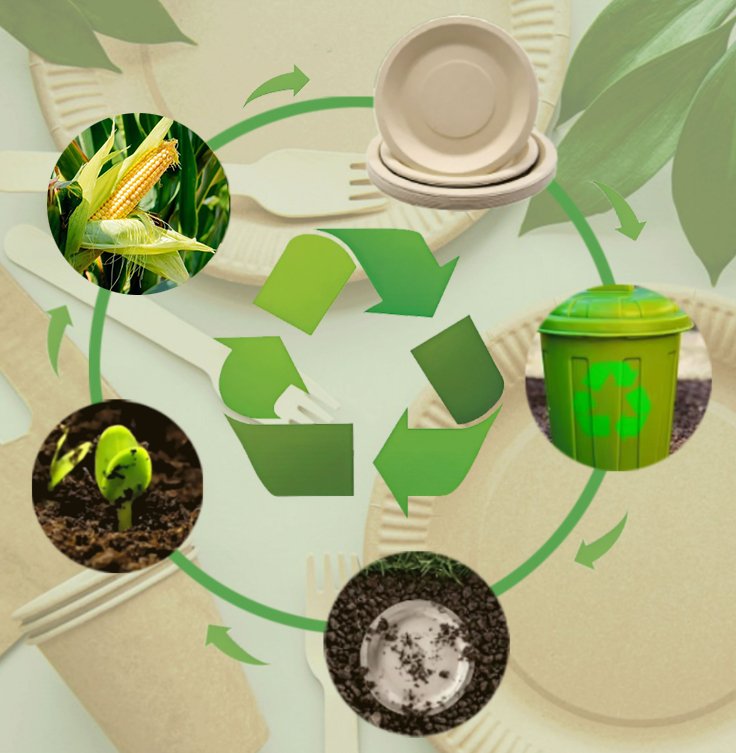
As seen in the table, Cornstarch Plates excel in environmental protection, biodegradability, and practicality. With rising policy support and consumer awareness of sustainability, Cornstarch Plates have become a key product promoted by global disposable cutlery manufacturer.
| Start Your Customization | WhatsApp: +86 13665956245 | Email: peters@quanzhong-bio.com |
Choosing a reliable manufacturer of disposable tableware and biodegradable plates is essentially building a sustainable supply chain. Scale, production capacity, customization capabilities, compliance standards, and quality management are all indispensable.
With its 100,000-square-meter production base, annual capacity of 90,000 tons, 180 production employees, and a comprehensive OEM/ODM system, Guanzhong can provide brand owners and buyers with a stable and scalable foundation for cooperation. If your project requires professional customization and long-term supply guarantees, establishing a systematic evaluation process will help you make more robust and sustainable decisions.