Table of contents
- The Difference Between Compostable and Biodegradable
- Not All Compostable Produce Bags Will Break Down in Your Home Compost
- Advantages of Using Biodegradable Produce Bags
- Best Practices for Using and Storing Biodegradable Produce Bags
- Choosing Guanzhong: A Reliable Solution for Biodegradable Produce Bags
The Difference Between Compostable and Biodegradable
Many people confuse “compostable” and “biodegradable,” but they differ significantly in essence and application.
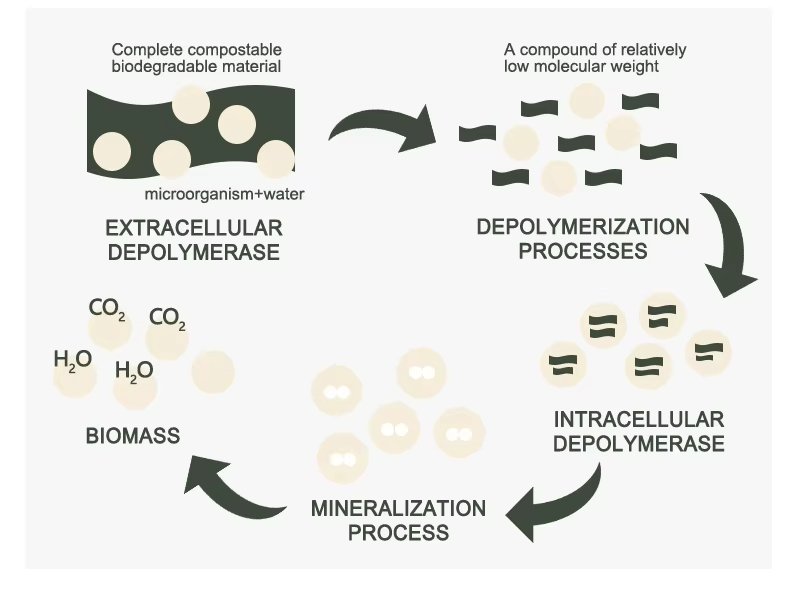
- Biodegradable: Refers to materials that can gradually break down through microbial activity in natural environments, ultimately converting into water, carbon dioxide, and biomass. The degradation rate of biodegradable plastics depends on environmental conditions such as temperature, humidity, and microbial activity. Common materials include PLA, PBAT, and PHA.
- Compostable: Compostable materials not only biodegrade but must also decompose within a specified time under specific conditions (e.g., industrial composting temperatures around 58–60°C, adequate moisture and aeration) without leaving harmful residues. Certification standards such as EN13432 and ASTM D6400 verify compostable performance.
In short, all compostable materials are biodegradable, but not all biodegradable materials are compostable. For produce packaging bags, this distinction is critical as it directly affects the decomposition performance in home or commercial composting.
Understanding this difference helps businesses and consumers choose packaging materials reasonably and comply with environmental regulations and sustainability goals.
Not All Compostable Produce Bags Will Break Down in Your Home Compost
Many consumers mistakenly assume that “compostable” means the bag will quickly decompose in a home compost environment, but this is not always the case. Industrial composting conditions differ significantly from home composting:
- Temperature differences: Industrial composting maintains temperatures around 58–60°C, while home composting is generally 25–35°C. Lower temperatures significantly slow down decomposition.
- Moisture and aeration: Industrial composting uses mechanical turning and controlled moisture and airflow to maintain microbial activity, while home composting cannot maintain stable moisture and oxygen for extended periods.
- Microbial activity: Industrial composting often inoculates specialized microbial communities to accelerate PLA/PBAT decomposition, whereas home composting has limited microbial diversity and quantity, reducing efficiency.
Understanding these differences helps businesses and consumers manage compostable materials correctly and avoid resource waste due to misunderstandings.
Advantages of Using Biodegradable Produce Bags
Choosing biodegradable produce bags is not only environmentally responsible but also offers clear commercial and operational benefits:
1. Environmental Protection
- Biodegradable bags can be decomposed by microorganisms under suitable conditions, reducing plastic residues in soil, water, and ecosystems.
- Guanzhong’s PLA/PBAT modified bags fully degrade under industrial composting conditions without leaving harmful residues.
2. Compliance and Market Trends
- Regulations worldwide increasingly restrict single-use plastics, such as the EU Single-Use Plastics Directive and China’s Plastic Pollution Control Action Plan, encouraging biodegradable alternatives.
- Growing consumer environmental awareness means using biodegradable produce bags can enhance brand image and competitiveness.
3. Practicality
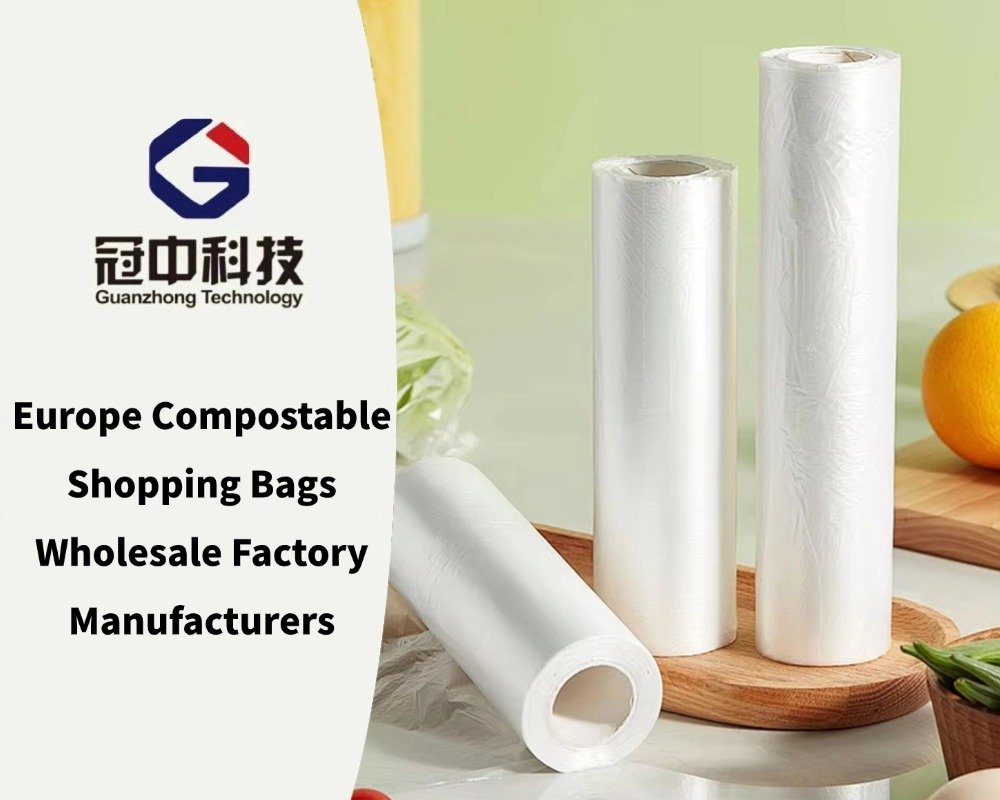
- Biodegradable produce bags match traditional plastic bags in load-bearing capacity, breathability, and water resistance, suitable for packaging fruits, vegetables, and leafy greens.
- Different specifications, thicknesses, and printing designs can be customized to meet supply chain and branding needs.
4. Cost and Supply Advantages
- Through reliable suppliers biodegradable bag factory, businesses can ensure stable supply and consistent quality for bulk orders biodegradable produce bags wholesale.

Best Practices for Using and Storing Biodegradable Produce Bags
Proper use and storage are crucial to ensure the performance and degradation of biodegradable produce bags.
Usage Recommendations
- Suitable produce types: Ideal for vegetables, fruits, leafy greens, and lightweight dry goods. Avoid prolonged contact with high-temperature, oily, or highly acidic food.
- Avoid excessive stretching: While durable, over-stretching or long-term sun exposure may cause bag rupture or reduce performance.
- Proper sorting: Keep biodegradable bags separate from conventional plastic bags to avoid mixing with non-degradable waste.
Storage Recommendations
- Temperature and humidity control: Store in a dry, cool, and ventilated environment to prevent premature degradation.
- Avoid direct sunlight: Strong UV can accelerate material aging, reducing packaging performance.
- FIFO (First In, First Out): Long-term storage may affect bag quality and degradation performance; manage in batches according to usage.
Industry Application Scenarios
Biodegradable produce bags are widely used across agriculture and supply chain stages:
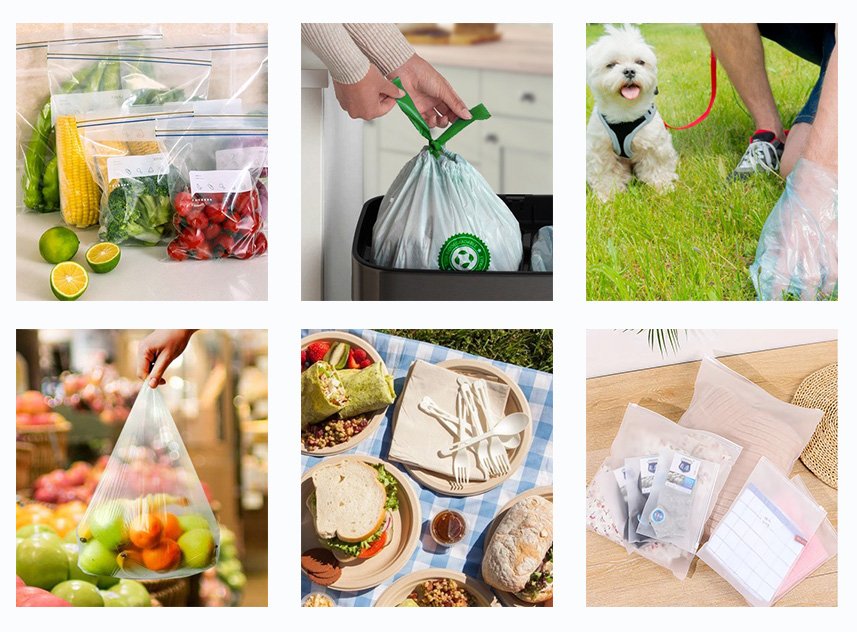
- Farm harvesting: Packaging freshly picked fruits, vegetables, strawberries, tomatoes, etc., keeping them fresh and protected from contamination.
- Wholesale logistics: Used in produce wholesale markets to package vegetables, beans, leafy greens, etc., for easier transportation and distribution.
- Retail supermarkets: Provide eco-friendly packaging options, enhancing brand sustainability image.
- Food processing and delivery: Package pre-processed ingredients or semi-finished products for storage and transportation while reducing plastic waste.
- Export produce: Customizable thickness and printing to meet international environmental regulations and brand requirements.
Through these applications, biodegradable produce bags protect produce quality, improve logistics efficiency, and achieve sustainability goals at multiple stages.
Choosing Guanzhong: A Reliable Solution for Biodegradable Produce Bags
When selecting a supplier for biodegradable produce bags, Guanzhong is a trustworthy partner with extensive experience and advanced production capabilities in bio-based and biodegradable produce packaging bags.
1. Strong Production Capacity and Modern Facilities
- Industrial park covers 200,000 m² with total production area over 100,000 m², including R&D buildings and standardized workshops for granulation, film blowing, and bag making.
- Equipped with 50 biodegradable film extrusion lines and 25 bag-making lines, with a monthly production capacity of approximately 1,500 tons, supporting bulk orders biodegradable produce bags wholesale.
- Advanced R&D center supports bio-based composite material development and custom formulations, ensuring consistent performance and quality.
2. High-Quality Biodegradable Materials
- Guanzhong’s bags use PLA/PBAT modified bio-based composites, non-toxic, odorless, safe, and naturally degradable in soil.
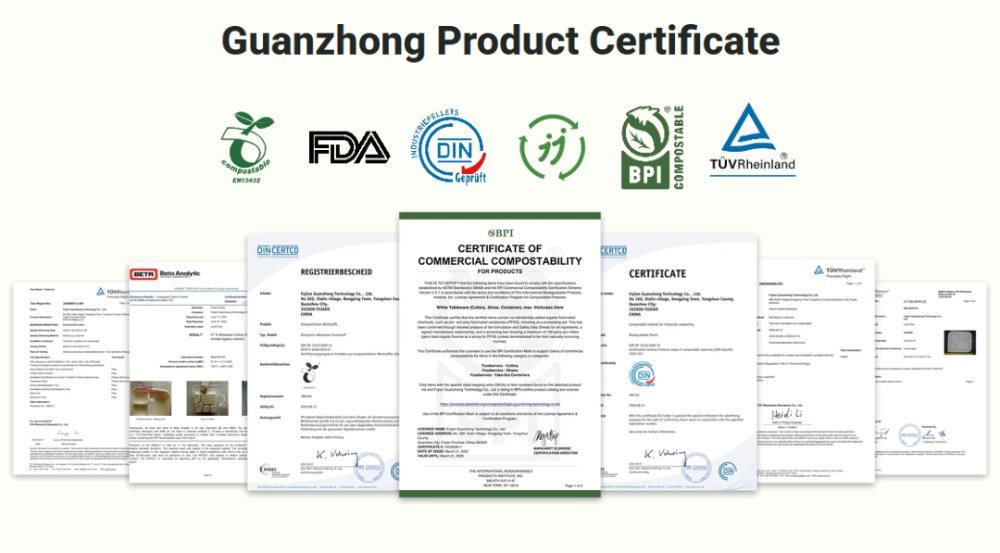
- Materials have passed GB/T 20197, GB/T 19277.1, GB/T 4806.7, as well as ASTM D6866, ASTM D6400, DIN EN 13432 testing to ensure reliable degradation performance.
- Double-thick design improves tensile strength and tear resistance, suitable for packaging fruits, vegetables, and leafy greens.
3. Flexible Customization and Fast Production
- Supports logo, color, size, and thickness customization, meeting diverse supply chain needs.
- Minimum order quantity: 1 ton of raw materials; mold making in 7 days, production cycle in 15 days, enabling quick delivery.
- Offers OEM/ODM services, helping clients achieve brand differentiation and personalized packaging.
4. Reliable Quality Control and Certification
- Each batch undergoes strict testing to ensure durability, breathability, and degradation performance meet standards.
- Certified with international industrial composting, DIN industrial composting, DIN bio-based product certification, and U.S. BPI biodegradation certification, ensuring product quality and environmental performance.
5. Sustainability and Industry Impact
- Guanzhong focuses on bio-based materials and biodegradable produce bags, reducing plastic waste impact.
- With stable production capacity and customized services, clients can meet daily packaging needs while enhancing brand sustainability image, achieving commercial value and environmental responsibility.
| Start Your Customization | WhatsApp: +86 13665956245 | Email: peters@quanzhong-bio.com |
Biodegradable produce bags are essential tools for the green transformation of modern agriculture and retail. Understanding the difference between compostable and biodegradable, using and storing them properly, and choosing a reliable supplier are key steps toward sustainable packaging.
Guanzhong, an experienced biodegradable bag factory, provides high-quality, customized biodegradable produce bags, supporting bulk orders biodegradable produce bags wholesale and professional customization, helping clients achieve optimal results in environmental protection, branding, and regulatory compliance.
From farm harvesting to retail distribution, choosing biodegradable produce bags and a reliable partner is a crucial step to reduce plastic pollution and promote sustainability, creating a cleaner and greener future for the planet.