Table of contents
- Which Disposable Plastic Food Containers Are the Best?
- Common Types of Disposable Plastic Food Containers for Takeaway and Supermarkets
- Comparison and Selection Suggestions for Different Materials of Disposable Plastic Food Containers
- Food Safety, Compliance, and Certifications: Key Points for Businesses
- Where to Buy Disposable Plastic Food Containers in Bulk
Which Disposable Plastic Food Containers Are the Best?
Choosing the right plastic food container is crucial for ensuring food safety, improving dining experience, and reducing operational costs. The following aspects are key factors that businesses must consider when selecting containers:
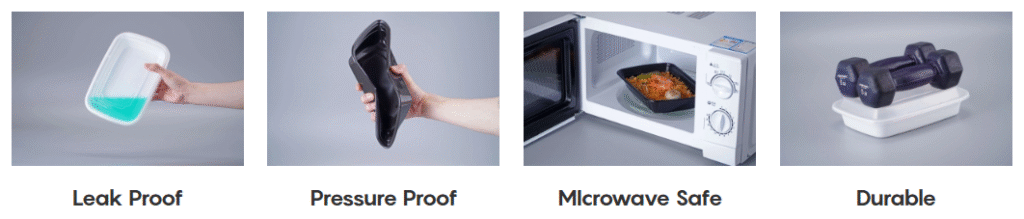
- Durability: Disposable lunch boxes and food containers must withstand pressure during transportation, stacking, and handling. High-quality plastic containers have tensile strength, tear resistance, and compression resistance, ensuring food integrity.
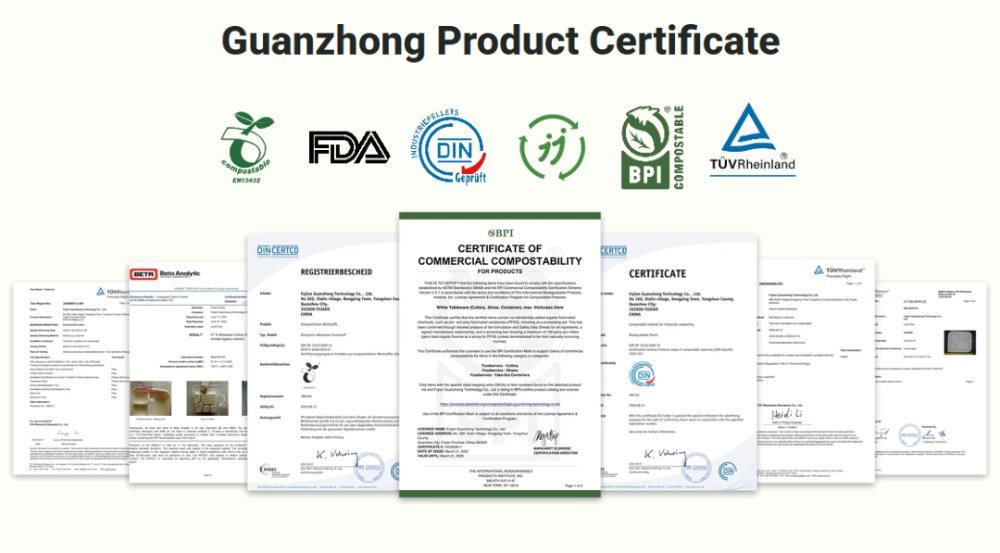
- Food Safety: Container materials should comply with food contact safety standards, including China GB 4806 series, US FDA 21 CFR 177, and EU 10/2011. Choosing certified suppliers can effectively reduce the risk of food contamination.
- Applicable Scenarios: Different catering or retail scenarios have different container requirements. For example, hot meal takeaway requires high-temperature resistant materials, while refrigerated food needs moisture-proof and frost-resistant properties. Containers should be selected based on the usage environment.
- Environmental Friendliness and Biodegradability: Biodegradable materials (such as PLA and bio-based composite materials) not only align with environmental trends but also reduce a company’s carbon footprint and enhance brand image.
- Customization Capability: From a branding perspective, containers that can be customized with colors, logos, and special designs are more competitive in the market. Customized containers also improve consumer experience and recognition.
Overall, durability, safety, environmental friendliness, scenario adaptability, and customizability are the core criteria for evaluating disposable plastic food containers. Companies should evaluate based on their business model and usage needs.
Common Types of Disposable Plastic Food Containers for Takeaway and Supermarkets
Different scenarios require different container functions and materials. This section analyzes from two dimensions: takeaway and supermarket.
Common Disposable Plastic Food Containers for Takeaway
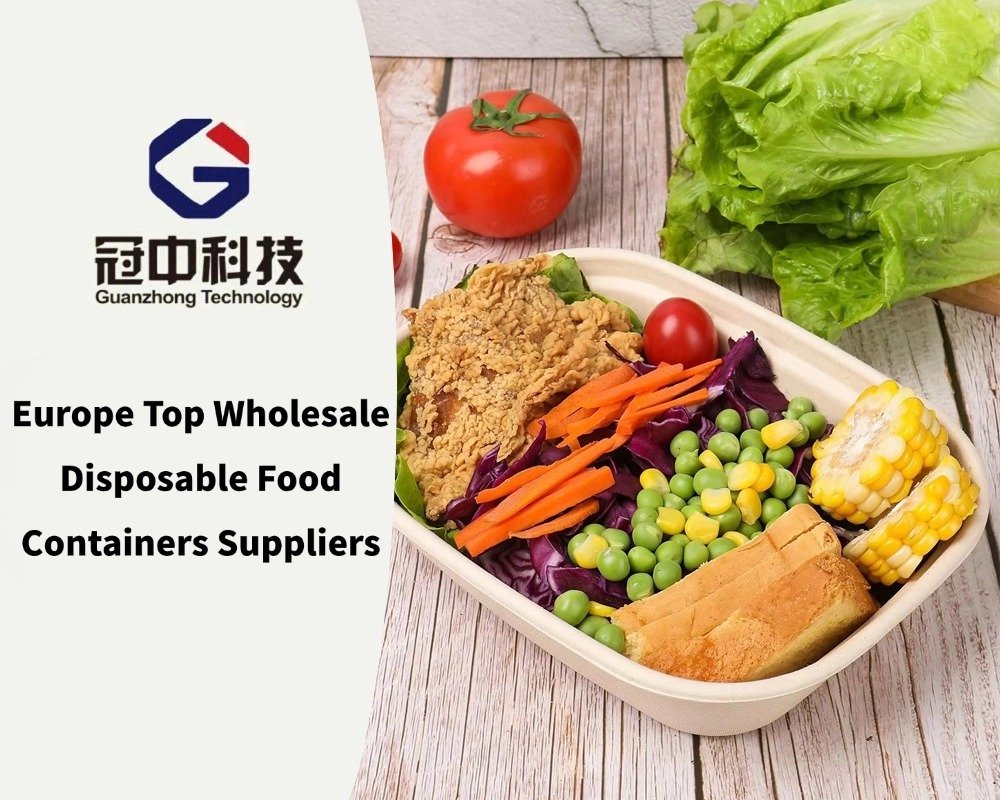
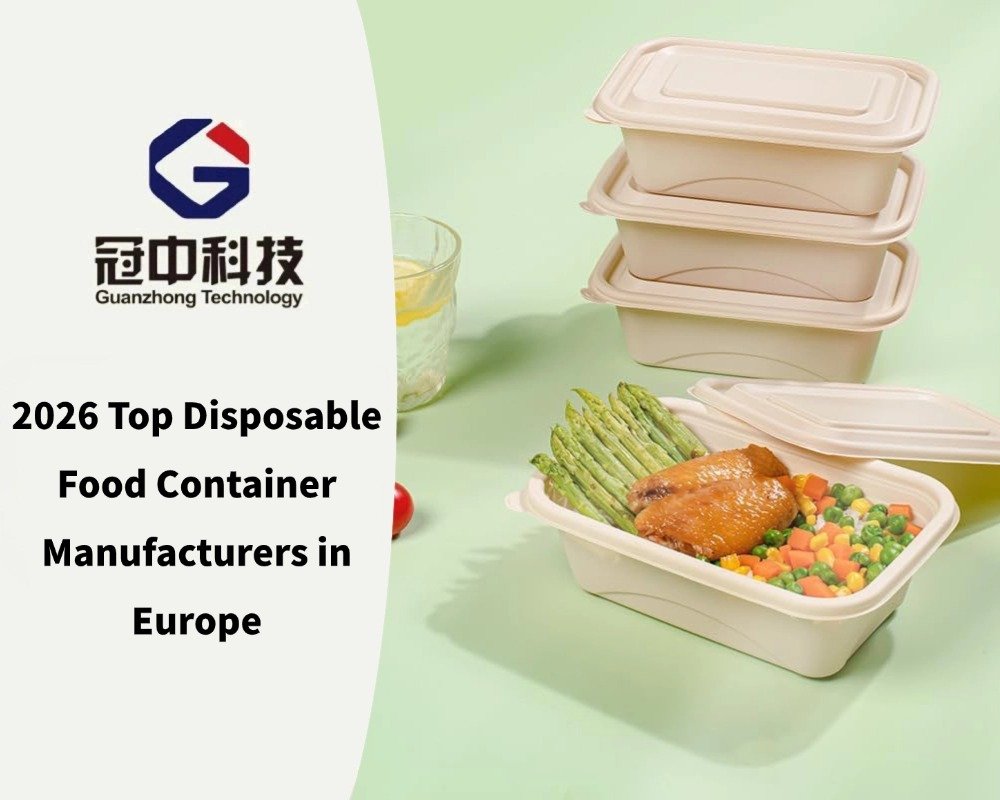
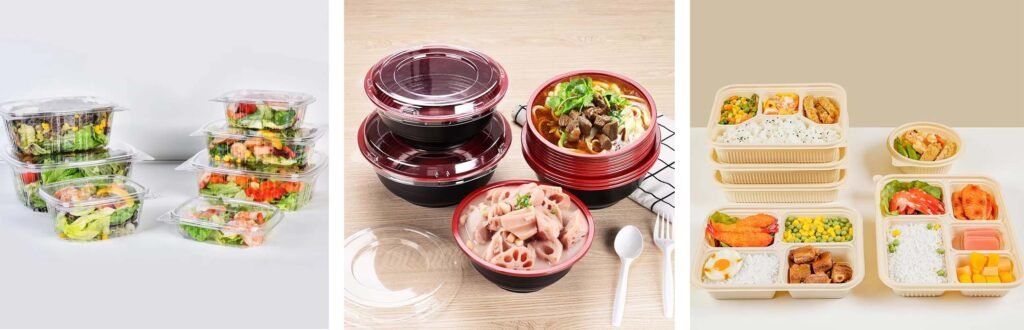
- Single-compartment lunch boxes: Suitable for rice, noodles, and simple side dishes. Usually made of PP or PET materials, with high-temperature resistance and leak-proof properties.
- Multi-compartment lunch boxes: Used for set meals, fast food, or bento. Compartment design prevents food mixing and preserves flavor.
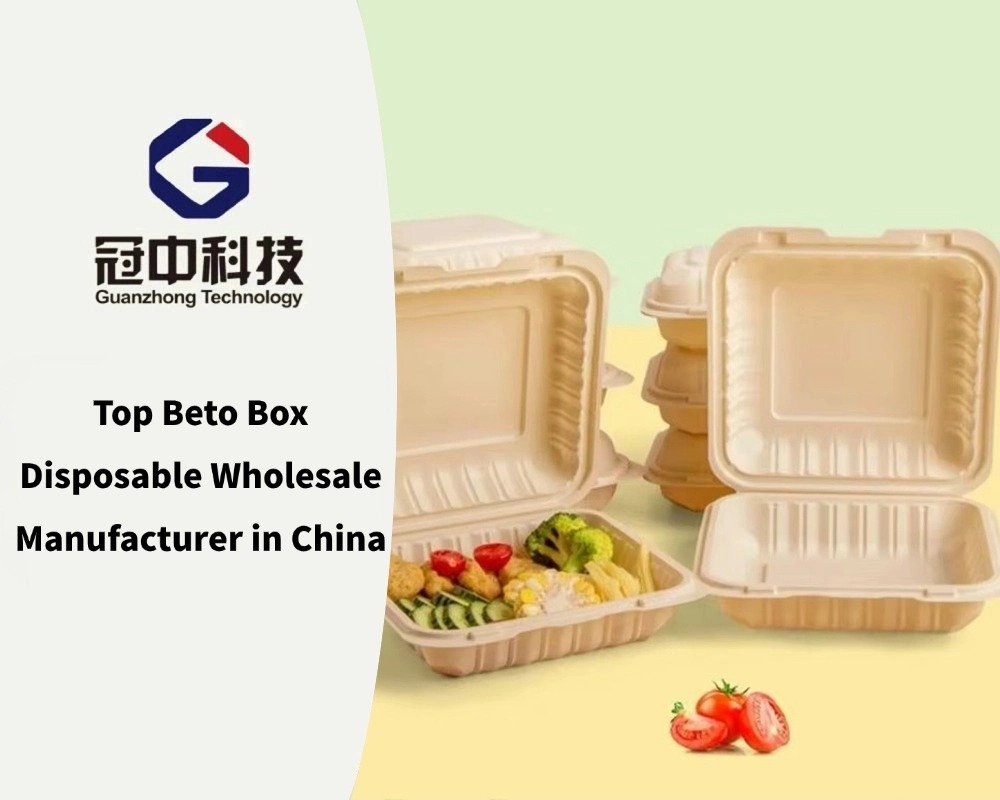
- Clamshell containers: Often used for burgers, sandwiches, or salads, providing easy handling and stacking.
- Soup and liquid containers: Made of PP or PET, designed with tight lids to prevent spills during delivery.
- Cups and lids: For beverages like juices, milk tea, or soft drinks; commonly made of PET or PP with a secure sealing lid.
Common Disposable Plastic Food Containers for Supermarkets and Grocery Stores
- Fresh food trays: Used for prepackaged vegetables, fruits, meat, and seafood. Typically made of PET for transparency and durability.
- Clamshell packaging: For berries, salads, and ready-to-eat meals. Transparent lids allow customers to view products while protecting them.
- Plastic cups and bowls: Suitable for desserts, yogurt, or ready-to-eat meals; made with food-grade PP or PET.
- Meal prep containers: Used for packaged meals or frozen foods; typically stackable and resistant to temperature changes.
- Bulk packaging trays: Designed for supermarket use, supporting large-scale storage and display.
Both takeaway and supermarket containers prioritize durability, food safety, and consumer convenience, while material choice depends on whether the container needs to resist heat, freezing, or moisture.

Comparison and Selection Suggestions for Different Materials of Disposable Plastic Food Containers
The material of disposable plastic food containers directly affects performance, cost, and environmental impact. The following table compares common materials used:
| Material | Advantages | Disadvantages | Recommended Use |
|---|---|---|---|
| PP (Polypropylene) | High heat resistance, strong durability, cost-effective | Not biodegradable | Hot food takeaway, microwavable meals |
| PET (Polyethylene Terephthalate) | Transparent, rigid, food-safe | Moderate heat resistance, not biodegradable | Cold salads, fruits, beverages |
| PLA (Polylactic Acid) | Biodegradable, eco-friendly, food-safe | Lower heat resistance, more expensive | Cold or room-temperature takeaway, environmentally conscious brands |
| Bio-based composites | Biodegradable, customizable, environmentally friendly | Cost higher, heat resistance varies | Takeaway and supermarket packaging focusing on sustainability |
Practical Selection Tips
- For hot meals, PP containers are ideal due to heat resistance.
- For cold or fresh food, PET or PLA containers are preferred to preserve appearance and freshness.
- For environmentally conscious brands, PLA or bio-based composite containers offer sustainability benefits.
- Always verify supplier certifications to ensure materials are food-contact safe and meet regulatory requirements.
Food Safety, Compliance, and Certifications: Key Points for Businesses
When choosing disposable plastic food containers, food safety, compliance, and certification are crucial. They protect consumers and influence business reputation and market access. Key considerations include:
1. Food Contact Material Safety Standards
- Core standards: Containers must comply with national or regional regulations, such as China GB 4806 series, US FDA 21 CFR 177, and EU 10/2011.
- Business attention: Confirm suppliers provide Certificates of Analysis (CoA) and keep records for audits or client requirements.
2. Common Certification Types
- ISO 22000: Ensures comprehensive food safety management processes.
- HACCP: Identifies potential hazards in production and establishes control measures.
- LFGB (Germany): Suitable for exporting to Germany and EU markets.
- REACH & RoHS: Ensure plastic materials do not contain heavy metals or harmful chemicals.
3. Microbial and Chemical Contamination Control
- Microbial risk: Containers can contact bacteria or mold during production, storage, or transportation.
- Control: Use sterilized or food-grade antibacterial containers; store in dry, ventilated environments.
- Chemical migration risk: Plasticizers, BPA, or heavy metals may migrate into food.
- Control: Prefer PLA, bio-based, or food-grade PET/PP, request migration test reports from suppliers.
4. Labeling and Traceability
- Containers should indicate material type, production date, and relevant certification marks to ensure traceability and compliance.
Where to Buy Disposable Plastic Food Containers in Bulk
If your business requires large quantities of takeaway boxes or supermarket food containers, purchasing directly from a manufacturer is the most efficient choice. Bulk purchasing reduces costs and ensures supply chain stability.
Guanzhong Overview
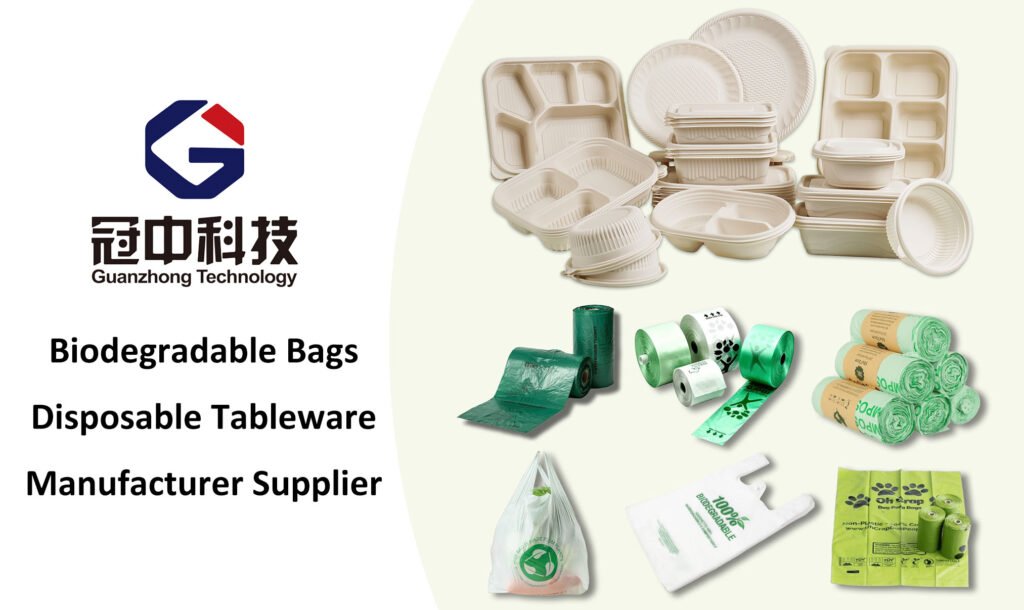
Guanzhong is a leading disposable plastic food container manufacturer headquartered in Yongchun County, Quanzhou, Fujian Province. With extensive experience in disposable food containers and biodegradable plastic products, Guanzhong provides a wide range of products and continuously innovates molds and processes to meet diverse market needs.
- Industrial park and facilities: Covers 200,000 m² with over 100,000 m² of production facilities, including advanced R&D centers and standardized workshops.
- Staff and capacity: 180 professional production staff, annual output of approximately 90,000 tons, and more than 10 patents.
- Main products: Biodegradable disposable tableware, plates, cutlery, cups, straws, and custom food packaging containers.
Bulk Purchase Advantages
- Efficient supply: All containers are produced in-house, capable of handling large orders and ensuring timely delivery.
- Factory direct, competitive pricing: Purchasing from Guanzhong provides highly competitive prices and flexible minimum order quantities.
- Stable supply and quality assurance: Strict control over every production stage ensures food-contact safety compliance.
- Custom printing and design: Logos and brand designs can be printed on containers for branding purposes.
- Professional customer service: A dedicated team works closely with clients to provide comprehensive solutions. Any damaged or defective products can be reported immediately for resolution.
Guanzhong is also a reliable partner for plastic disposable food containers wholesale needs, offering flexibility and high-quality products for both takeaway and supermarket applications.
| Start Your Customization | WhatsApp: +86 13665956245 | Email: peters@quanzhong-bio.com |
Selecting the right disposable plastic food container is critical for both takeaway and supermarket operations. Key considerations include material choice, durability, food safety compliance, environmental impact, and customizability. Understanding the common container types used in different scenarios helps businesses make informed purchasing decisions.
Working with a trusted disposable plastic food container manufacturer like Guanzhong ensures access to high-quality, customizable containers, reliable supply, and professional support. Whether for takeaway services or retail supermarket packaging, choosing the right supplier and material is essential for operational efficiency, food safety, and consumer satisfaction.