Table of contents
- What is Compostable Shopping Bag Certification?
- What Are the Benefits of Compostability Certification?
- How to Identify Certified Compostable Packaging Bags
- How Professional Compostable Bag Factories Ensure Stable Quality: Processes, Equipment, and Testing
- Why Choose Guanzhong: Reliability and Transparency Based on Certification Standards
What is Compostable Shopping Bag Certification?
Compostable shopping bag certification refers to a systematic assessment conducted by authoritative third-party organizations on compostable bags’ materials, safety, degradation ability, ecological impact, and residual toxicity. A corresponding certification is issued to prove that the product can genuinely undergo biodegradation and composting under specific conditions. This certification helps consumers, brands, and governments distinguish truly compostable products from “pseudo-eco-friendly” ones, promoting transparency and standardization across the industry.
Currently, the main global compostable certification systems include:
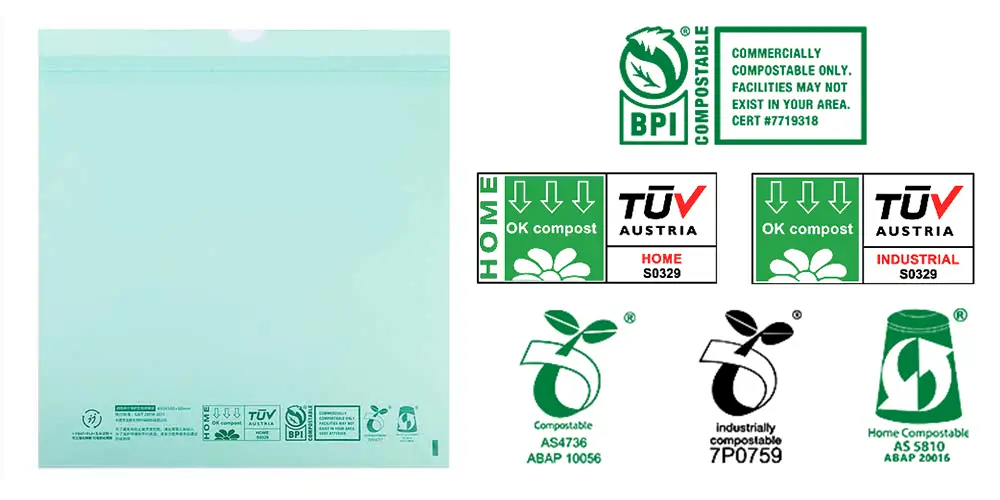
- EU EN 13432: Europe’s strictest industrial composting standard, requiring materials to decompose at least 90% within 180 days, while passing heavy metal residue and ecotoxicity tests.
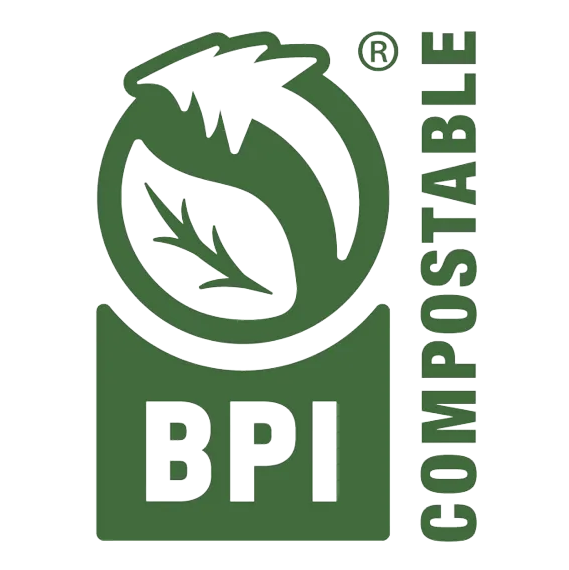
- U.S. BPI (ASTM D6400): The most widely used industrial composting certification in North America, focusing on material degradation speed and safety.
- Australia AS 4736 / AS 5810: Standards for industrial composting and home composting, requiring rapid decomposition under lower temperature and natural conditions.
- TÜV Austria OK Compost / OK Home Compost: Covering both industrial and home composting, recognized internationally by brands for its rigor.
For any compostable bag factory, products usually need one or several of the above certifications to be accepted in international markets. Especially in Europe and North America, large retailers often require BPI, EN13432, or OK Compost certifications as entry thresholds.
Certification applies not only to shopping bags but also to kitchen bio-waste bags, pet waste bags, courier bags, food packaging bags, and food tray films, all based on PLA+PBAT modified materials.
In other words, compostable certification is not just a “label” but a recognition of the entire product system—from raw material formulation, production process, printing inks, thickness standards, to final decomposition performance.
What Are the Benefits of Compostability Certification?
- Ensure genuine environmental friendliness and avoid “pseudo-degradable” claims
Compostable certification guarantees that products can truly degrade into water, carbon dioxide, and biomass under specific composting conditions, rather than merely breaking into smaller plastic particles like some oxo-degradable materials. It sets clear requirements for decomposition time, residues, and ecotoxicity, giving users confidence in their environmentally friendly choices. - Meet mandatory international regulations for sustainable packaging
Many countries and regions have made compostable certification a legal standard. For example, the EU requires fresh produce bags to comply with EN 13432, some U.S. states require BPI-compliant waste bags, and Australia mandates AS 5810 for home compost bags. For export-oriented businesses, certification serves as market entry eligibility, reducing trade risks and enhancing customs clearance efficiency. - Enhance brand image and consumer trust
Certification under OK Compost, BPI, or EN13432 means the product has passed strict evaluations on material safety, degradability, and ecological harmlessness. Consumers trust certified bags more, directly boosting brand value, market competitiveness, and sustainable development image. - Support collaboration with major retailers and strengthen supply chain bargaining power
Global chains, e-commerce platforms, and food service groups require certified compostable bags to ensure environmental compliance. Certified compostable bag factories can more easily enter high-standard supply chains, improve pricing power, secure stable orders, and enhance business sustainability. - Strengthen internal factory quality management and technical upgrades
To meet certification requirements, factories must upgrade processes, including raw material ratio control, thickness management, compliant inks, production record traceability, and compost simulation testing. These measures optimize the overall quality system, stabilize product performance, reduce customer complaints, and improve long-term cooperation reliability.
How to Identify Certified Compostable Packaging Bags
Check authoritative certification marks
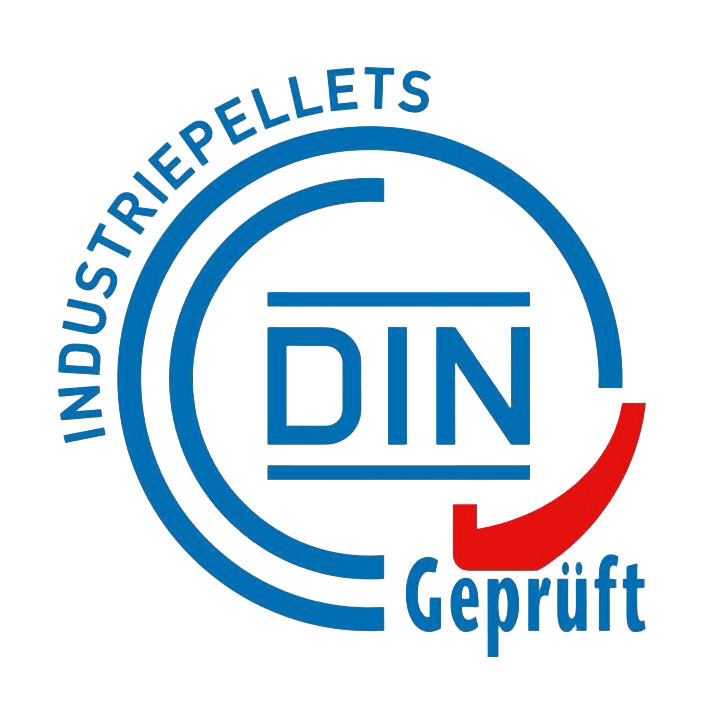
- EN 13432 mark: Indicates compliance with EU industrial composting standards, complete decomposition under industrial conditions without excessive heavy metals or ecotoxic residues. Usually features “OK Compost INDUSTRIAL” issued by TÜV Austria or DIN CERTCO.
- ASTM D6400 or D6868 mark: U.S. standard evaluating degradation rate, particle size after decomposition, and ecological safety. Products bearing BPI (Biodegradable Products Institute) marks circulate legally in North America.
- AS 4736 / AS 5810 mark: Australian industrial and home compost standards. A small leaf “Seedling Logo” signifies full degradation in specified conditions and passing heavy metal and ecotoxicity tests.
Check the testing agency and certificate number
- Certificate number: Each valid certification has a unique number, verifiable on the agency website.
- Testing agency name: Common authorities include TÜV Austria, DIN CERTCO, BPI, ABA (Australian Bioplastics Association). Legitimate products list the agency name and certificate traceability.
- Verify material composition matches certification requirements
- PLA, PBAT, starch-based materials: Certified compostable bags are usually made of bio-based materials such as polylactic acid (PLA), aliphatic-aromatic copolyester (PBAT), and starch.
- Avoid “pseudo-degradable” materials: PE with degradable additives (oxo-degradable) is not compostable and cannot achieve EN13432 or ASTM D6400 certification.
Check decomposition type and grade on packaging
- Industrial Compostable: Requires high temperature (50–60°C), high humidity, and oxygen supply; usually complies with EN13432 or ASTM D6400.
- Home Compostable: Degrades at ambient temperature, usually bearing “OK Compost HOME” or AS 5810 marks.
- Decomposition period: Compliant products indicate standard periods, e.g., 90 days disintegration, 180 days complete biodegradation.
Observe print content for compliance and transparency
- Manufacturer information: Includes factory name, address, and traceable code.
- No exaggerated labels: Terms like “eco-friendly bag,” “degradable bag,” or “green bag” without certification are insufficient.
- Traceable QR codes: Increasingly, compliant factories print QR codes to check certificates, batch numbers, and material sources.
How Professional Compostable Bag Factories Ensure Stable Quality: Processes, Equipment, and Testing
To reliably produce internationally certified compostable bags, a factory must establish a closed-loop quality control chain covering raw materials, processes, equipment, and testing systems. Mature compostable bag factories typically build competitiveness through three core dimensions: standardized production processes, consistent equipment systems, and systematic testing capabilities.
Production Process: Quality Closed-Loop from Raw Material to Finished Product
Professional factories follow a structured process: raw material selection → extrusion/blown film → bag formation → printing → packaging, with traceable records at each step.
- Raw material management: Only internationally certified PLA, PBAT, or starch-based materials are used, tested for molecular weight, melt flow index, and other basic indicators.
- Production control: Film blowing monitors temperature, pulling speed, and thickness tolerances; bag formation uses automated machines to ensure sealing strength and dimensional accuracy.
- Batch traceability: Each batch is assigned a unique code from compounding to packing, enabling quick root-cause identification for quality issues.
Maintaining this process system long-term ensures stable product performance and consistent batch quality.

Equipment: Key Infrastructure for Stable Quality
Compostable bags are sensitive to material characteristics; equipment directly affects stability.
- High-precision blown film machines: With Automatic Film Control (AFC) systems, thickness fluctuation can be reduced to ±0.002mm, ensuring mechanical properties and degradation rates.
- Smart bag-making machines: Auto temperature control, alignment, and counting ensure sealing strength and size consistency.
- Eco-friendly ink printing lines: Water-based inks comply with compostable standards limiting harmful substances.
Regular updates and maintenance reduce defects and improve batch stability.
Testing: Key Step to Meet Certification Requirements
Testing ensures bags meet international standards.
- Physical performance tests: Tensile strength, tear resistance, sealing strength, and thickness uniformity confirm usability.
- Degradation performance tests: Biodegradation rate, composting speed, heavy metal content comply with EN 13432, ASTM D6400.
- Aging and usability tests: Heat, humidity, and shelf-life simulations ensure bags do not degrade prematurely during transport or storage.
A comprehensive testing capability ensures transparent quality, traceable data, and compliance with global market requirements.
Why Choose Guanzhong: Reliability and Transparency Based on Certification Standards
Among compostable plastic manufacturers, Guanzhong stands out with stable, systematized production and international certification, trusted by many overseas brands.
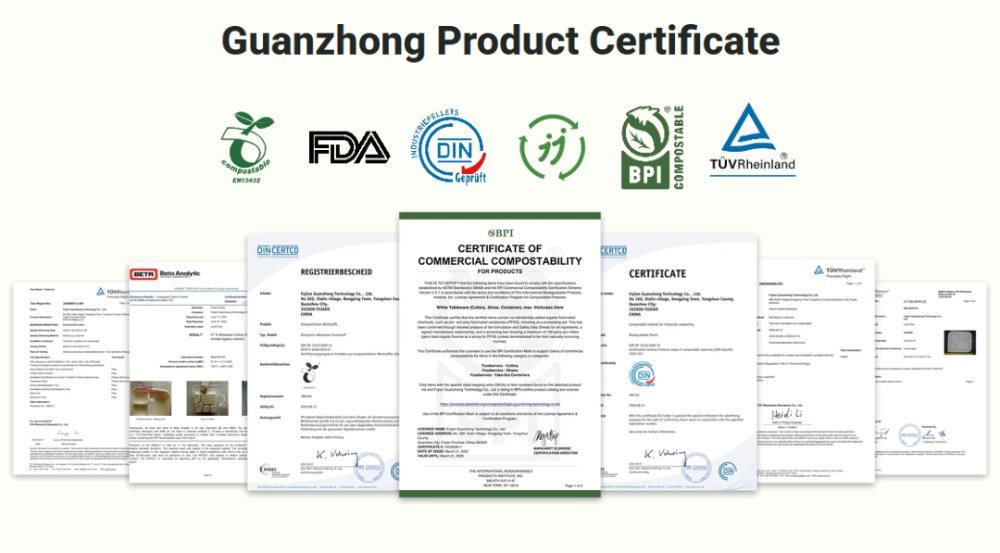
- Use of PLA+PBAT modified materials meeting major international standards: Guanzhong applies stable, mature PLA+PBAT formulations, validated in mass production. Materials meet EN13432, ASTM D6400, and OK Compost requirements for compostability, decomposition rate, and safety, ensuring consistent performance across different markets and regulations.
- Comprehensive and transparent raw material traceability and certificate management:Guanzhong provides MSDS, food contact testing, biobased content analysis, and corresponding compostable certificates for each batch. This system ensures customers receive clear, traceable quality evidence for procurement, customs, compliance reviews, and internal brand processes, reducing compliance risks.
- Factory-level stable quality system: Equipped with high-precision blown film machines, automated bag-making lines, and bio-ink printing lines, Guanzhong digitally controls thickness, tensile strength, and sealing performance. Mature processes allow stable delivery of large orders, meeting long-term demands of overseas retailers, supermarkets, and brands.
- OEM/ODM capabilities meeting certification requirements: Guanzhong customizes products based on national regulations and certification standards, including thickness, industrial/home compost grades, printing patterns, and scenario matching. The factory can adjust formulas according to customer market requirements, providing targeted solutions that enhance overseas brand competitiveness.
- Extensive export experience and regulatory expertise: Guanzhong is familiar with EU, US, and Australia regulations, assisting clients in label design, certificate provision, and avoiding common customs inspection risks. For foreign trade businesses or brands entering overseas markets for the first time, Guanzhong’s compliance guidance reduces project costs and time.
| Start Your Customization | WhatsApp: +86 13665956245 | Email: peters@quanzhong-bio.com |
Compostable bag certification is not just a symbol of environmental friendliness—it is a global market entry threshold and a key measure of whether a compostable bag factory is professional, reliable, and transparent.
Faced with increasingly strict environmental regulations and consumer demand for sustainability, certified compostable bags are becoming mainstream.
For brands and buyers, choosing a factory familiar with international certification systems, providing stable material formulations, and offering transparent quality inspection is essential for compliance and market competitiveness.
Guanzhong, as a professional compostable plastic manufacturers with years of experience in compostable materials and manufacturing processes, can help customers efficiently enter the global sustainable packaging market.
In the future, compostable materials will integrate with more industries, driving global environmental progress, and a truly certified, quality-stable compostable bag factory will play a pivotal role in this transformation.